Transactional and Trial Lawyer In Tune With Current Marketplace Economics.
With over 46 years of courtroom and business experience
About



Bruce D. Fischman and The Fischman Law Firm, P.A’s practice involves real estate development, and active litigation and representation in the federal and state courts of Florida, New Jersey, New York, Texas, Missouri, Alabama, California, Arkansas, Pennsylvania, Georgia, Virginia, and Washington. Mr. Fischman serves as General Counsel and Senior Advisor to Moishe Mana and The Mana Group of Companies. The Firm's litigation and transaction work in the areas of complex commercial litigation, real estate development, real estate disputes, governmental bids and disputes, construction litigation, personal injury litigation, internet defamation litigation, physical and electronic records storage matters, and healthcare law has gained the Firm local as well as national notoriety.
Clients receive the attention, services and sophistication of a senior partner of a large law firm but at a billing rate that is much lower and more in tune with current marketplace economics.
Clients receive the attention, services and sophistication of a senior partner of a large law firm but at a billing rate that is much lower and more in tune with current marketplace economics.
Services
CONSULTING, TRANSACTIONS, AND LITIGATION
Real Estate and Construction related transactions and litigation General Counsel Representation Government property bids Complex Commercial litigation Personal Injury litigation Records Storage Management and Destruction Law Contracts and Transaction law Internet Defamation litigation Insurance litigation Wrongful Death litigation Healthcare litigation
Learn MoreBruce
Bruce Fischman and his Firm are AV Preeminent RATED. A lawyer who receives qualifying responses from fellow attorneys can qualify for one of three prestigious Martindale-Hubbell Peer Review Ratings- AV Preeminent® is the highest peer rating standard. This demonstrates that the legal community views him as highly ethical and highly qualified.
Bruce Fischman left a large Florida law firm, after attaining the status of partner, to open The Fischman Law Firm, P.A in 1984. From 1986 through 2003, he and his firm represented HealthSouth Corporation, a six billion dollar Alabama publicly traded healthcare corporation, as its principal outside national counsel handling major matters in Florida, throughout the United States and overseas. Healthsouth developed over 2000 locations and employed over 50,000 individuals. Following his experience with Healthsouth, Mr. Fischman served for eight years as Outside National Counsel to the Document Management Division of Cintas Corporation (NASDAQ: CTAS), an Ohio public company. Cintas is a national leader in secure document management services. He also served as outside national counsel to Shred-it International, Inc. (Alabama and Ohio) and Access Information Management (California).
Mr. Fischman currently serves as Principal Advisor and General Counsel to billionaire Moishe Mana and his related Mana companies including Mana Common, McArthur Dairy, Mana Contemporary, Mana Fine Arts, Mana Wynwood, Mana Miami(www.manacommon.com), The Mana Real estate Development entities, Milk Studios, Milk Makeup, and GRM Information Management ( Florida, New York, Illinois, and New Jersey). Mana is one of the largest commercial landowners and developers in Miami Florida, Jersey City, N.J. and Chicago Illinois.. Mr. Mana has been described as another Henry Flagler in his remaking of Miami. The ongoing engagements involve acquisitions, large lending and refinancing matters, transactional work, business negotiations, leasing, land use and litigation engagements involving real estate, construction and development, electronic and physical record storage, public bidding and art storage.
Mr. Fischman has been reelected as a voting member of the Board of Directors of the Wynwood Business Improvement District, City of Miami Florida. The Wynwood BID is the voice of business in downtown Wynwood and works hand in hand with the retail, hotel, restaurant, and office elements of the Wynwood commercial community, as well as with its important partners at the Offices of Commissioners at District Five (5) and District Two (2). The Wynwood BID was established as a Board of the City of Miami, and continues to actively forge an interactive partnership within the City.
Mr. Fischman has served as a voting member of the Village of Pinecrest Florida Zoning Board.
Mr. Fischman represented Westdale Real Estate Investment and Management, a national real estate development, investment and management company headquartered in Dallas Texas, with six regional offices throughout the country. Westdale is currently a major contributor to the redevelopment of Wynwood Norte, Miami, Florida.
Bruce Fischman was instrumental in successfully litigating, negotiating and transacting a land swap of four (4) parcels of land between Miami-Dade County Florida and the Mana organization in Wynwood, Miami Florida. The parcels became instrumental in the largest assemblage of real estate for an approved Special Area Plan (SAP) with Wynwood in the City of Miami, Florida. In the process of the swap, Mana is constructing an office building for Miami-Dade County, Florida that will house a commissioner's office and the Puerto Rican Cultural Center.
Fischman was lead counsel in complex and lengthy real estate litigation against the Miami Parking Authority by the Mana organization resulting from a failed public bid to develop, pursuant to the state's public/private partnership law (P3), the real property owned by the authority and adjacent to land already owned by Mana. After a full trial, the case settled following negotiations by Bruce Fischman with the governmental entity. Mr. Mana will be able to substantially extend the size of his planned development and have use of 40 stories of airspace for one ($1) dollar per year along with other benefits.
Mr. Fischman was principal counsel, along with local New York Counsel, regarding litigation with one of the largest modern art dealers in the world. The claim in the court filed pleadings was that Fischman's client, an art storage merchant, refused to release many millions of dollars of artwork because the merchant claimed that it was owed money for storage. The art dealer disputed the merchant's claim and demanded millions of dollars in damages. During litigation, Mr. Fischman was successful in mediating the dispute, amicably resolving the matter between the parties.
In 2021, Bruce Fischman, along with local New York counsel, successfully defended an arbitration claim by the major New York real estate and mortgage brokerage house, Ackman-Ziff Real Estate Group, LLC ("AZ") alleging that Moishe Mana and his real estate entities breached a brokerage contract by failing to pay substantial brokerage fees under the brokerage contract. AZ claimed it procured the lender Fortress for Mana regarding a lending facility in excess of 200 million dollars. Mana claimed that he gave AZ a limited exclusivity engagement of thirty days. AZ claimed this period was extended. After a full arbitration trial, the Hon. Billie Colombaro (ret.), Arbitrator entered a ruling in favor of Mana and against Ackman-Ziff. The Judge ruled that Mana and his entities " have met their burden of proof that they did not breach the parties’ agreement by failing to pay Claimant a commission on the ultimate procured Fortress financing." Additionally, on the claim by AZ for the reasonable value of its services rendered, the Judge ruled that "[l]ikewise, Claimant’s claim for quantum meruit in the instant matter has no legal basis and is, hereby, denied." AZ lost and Mana is not liable to pay anything to AZ.
Within the area of Internet Defamation law, Fischman has served as one of the pioneers of the sector, being referenced in many publications. He was one of two guest speakers invited to the Fortune Magazine 500 Conference in Beverly Hills, California ( a meeting of the top 500 public company CEO's in the world). He has been a speaker on NPR. He has also been an invited speaker at the Harvard Law School.
Bruce Fischman left a large Florida law firm, after attaining the status of partner, to open The Fischman Law Firm, P.A in 1984. From 1986 through 2003, he and his firm represented HealthSouth Corporation, a six billion dollar Alabama publicly traded healthcare corporation, as its principal outside national counsel handling major matters in Florida, throughout the United States and overseas. Healthsouth developed over 2000 locations and employed over 50,000 individuals. Following his experience with Healthsouth, Mr. Fischman served for eight years as Outside National Counsel to the Document Management Division of Cintas Corporation (NASDAQ: CTAS), an Ohio public company. Cintas is a national leader in secure document management services. He also served as outside national counsel to Shred-it International, Inc. (Alabama and Ohio) and Access Information Management (California).
Mr. Fischman currently serves as Principal Advisor and General Counsel to billionaire Moishe Mana and his related Mana companies including Mana Common, McArthur Dairy, Mana Contemporary, Mana Fine Arts, Mana Wynwood, Mana Miami(www.manacommon.com), The Mana Real estate Development entities, Milk Studios, Milk Makeup, and GRM Information Management ( Florida, New York, Illinois, and New Jersey). Mana is one of the largest commercial landowners and developers in Miami Florida, Jersey City, N.J. and Chicago Illinois.. Mr. Mana has been described as another Henry Flagler in his remaking of Miami. The ongoing engagements involve acquisitions, large lending and refinancing matters, transactional work, business negotiations, leasing, land use and litigation engagements involving real estate, construction and development, electronic and physical record storage, public bidding and art storage.
Mr. Fischman has been reelected as a voting member of the Board of Directors of the Wynwood Business Improvement District, City of Miami Florida. The Wynwood BID is the voice of business in downtown Wynwood and works hand in hand with the retail, hotel, restaurant, and office elements of the Wynwood commercial community, as well as with its important partners at the Offices of Commissioners at District Five (5) and District Two (2). The Wynwood BID was established as a Board of the City of Miami, and continues to actively forge an interactive partnership within the City.
Mr. Fischman has served as a voting member of the Village of Pinecrest Florida Zoning Board.
Mr. Fischman represented Westdale Real Estate Investment and Management, a national real estate development, investment and management company headquartered in Dallas Texas, with six regional offices throughout the country. Westdale is currently a major contributor to the redevelopment of Wynwood Norte, Miami, Florida.
Bruce Fischman was instrumental in successfully litigating, negotiating and transacting a land swap of four (4) parcels of land between Miami-Dade County Florida and the Mana organization in Wynwood, Miami Florida. The parcels became instrumental in the largest assemblage of real estate for an approved Special Area Plan (SAP) with Wynwood in the City of Miami, Florida. In the process of the swap, Mana is constructing an office building for Miami-Dade County, Florida that will house a commissioner's office and the Puerto Rican Cultural Center.
Fischman was lead counsel in complex and lengthy real estate litigation against the Miami Parking Authority by the Mana organization resulting from a failed public bid to develop, pursuant to the state's public/private partnership law (P3), the real property owned by the authority and adjacent to land already owned by Mana. After a full trial, the case settled following negotiations by Bruce Fischman with the governmental entity. Mr. Mana will be able to substantially extend the size of his planned development and have use of 40 stories of airspace for one ($1) dollar per year along with other benefits.
Mr. Fischman was principal counsel, along with local New York Counsel, regarding litigation with one of the largest modern art dealers in the world. The claim in the court filed pleadings was that Fischman's client, an art storage merchant, refused to release many millions of dollars of artwork because the merchant claimed that it was owed money for storage. The art dealer disputed the merchant's claim and demanded millions of dollars in damages. During litigation, Mr. Fischman was successful in mediating the dispute, amicably resolving the matter between the parties.
In 2021, Bruce Fischman, along with local New York counsel, successfully defended an arbitration claim by the major New York real estate and mortgage brokerage house, Ackman-Ziff Real Estate Group, LLC ("AZ") alleging that Moishe Mana and his real estate entities breached a brokerage contract by failing to pay substantial brokerage fees under the brokerage contract. AZ claimed it procured the lender Fortress for Mana regarding a lending facility in excess of 200 million dollars. Mana claimed that he gave AZ a limited exclusivity engagement of thirty days. AZ claimed this period was extended. After a full arbitration trial, the Hon. Billie Colombaro (ret.), Arbitrator entered a ruling in favor of Mana and against Ackman-Ziff. The Judge ruled that Mana and his entities " have met their burden of proof that they did not breach the parties’ agreement by failing to pay Claimant a commission on the ultimate procured Fortress financing." Additionally, on the claim by AZ for the reasonable value of its services rendered, the Judge ruled that "[l]ikewise, Claimant’s claim for quantum meruit in the instant matter has no legal basis and is, hereby, denied." AZ lost and Mana is not liable to pay anything to AZ.
Within the area of Internet Defamation law, Fischman has served as one of the pioneers of the sector, being referenced in many publications. He was one of two guest speakers invited to the Fortune Magazine 500 Conference in Beverly Hills, California ( a meeting of the top 500 public company CEO's in the world). He has been a speaker on NPR. He has also been an invited speaker at the Harvard Law School.
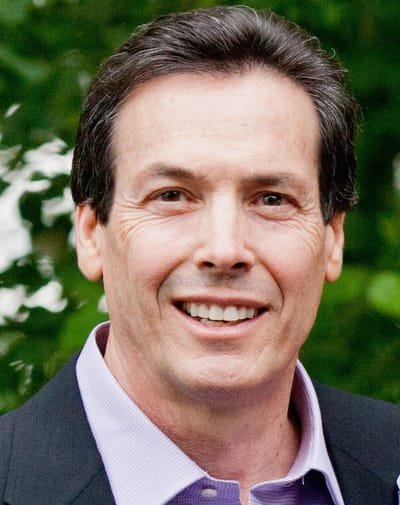
Senior Advisor And General Counsel to Mana Companies
Testimonials
Contact
- 5880 Southwest 114th Terrace, Miami, FL 33156, USA
- 305-670-7669 - Office
- bruce@fhdlaw.com
- 9:00AM-6:30PM